
TL;DR
A roofing inspection is crucial for identifying potential issues, ensuring roof longevity, and preventing costly repairs. This guide delves into the process, benefits, essential components, and tips for performing a thorough roofing inspection, empowering homeowners to maintain their roofs effectively.
Understanding Roofing Inspection: Why It Matters and Who Should Do It
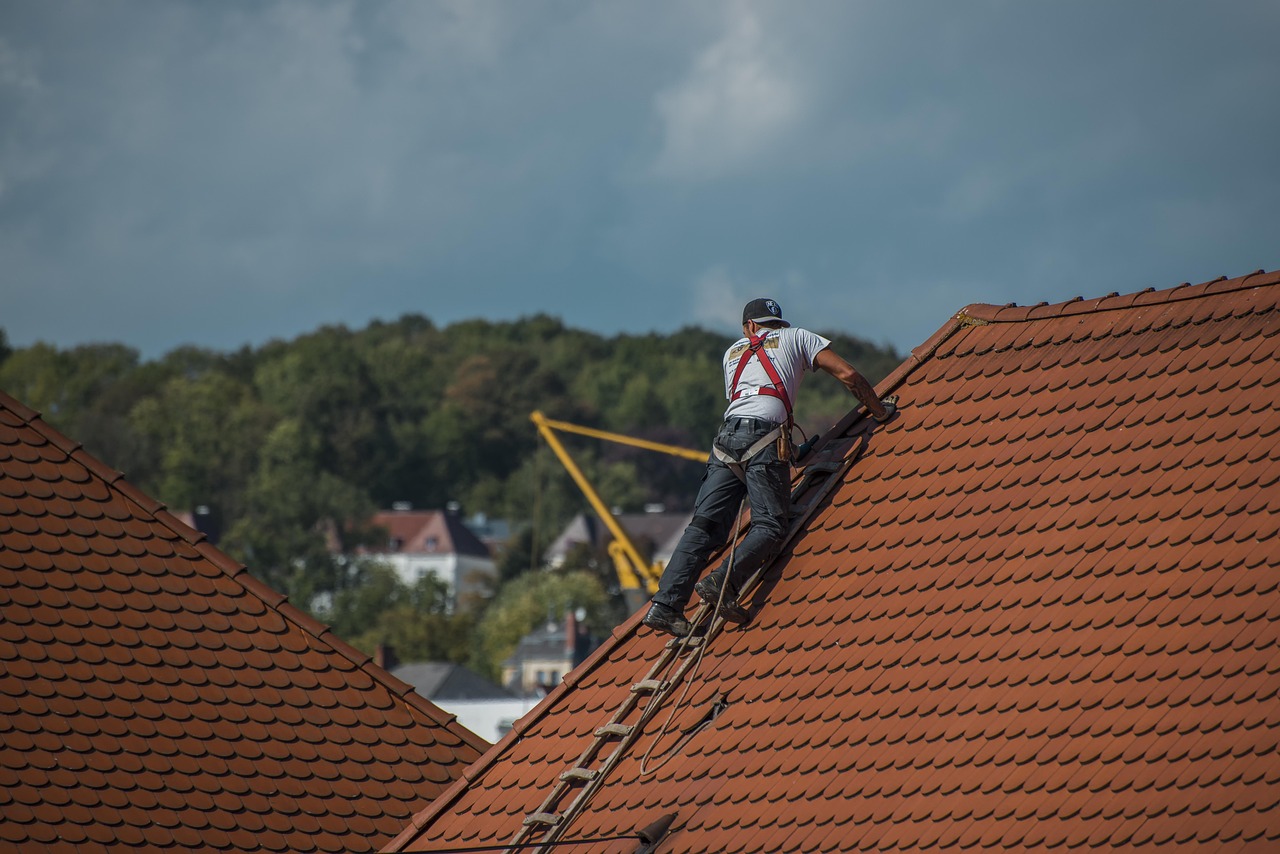
Roofing inspection is a meticulous process of examining a roof’s condition, identifying defects, and assessing its overall health. It’s not just about checking for leaks; it involves a holistic evaluation of the entire roofing system, including shingles, flashing, gutters, and structural integrity. Regular inspections are vital for several reasons:
-
Preventive Maintenance: Identifying issues early can prevent minor problems from escalating into major repairs or replacements.
-
Safety: Some defects may pose safety hazards, such as loose tiles or damaged flashings. An inspection helps pinpoint these risks.
-
Warranty Validation: Many roofing manufacturers require inspections to validate warranties, ensuring you receive the benefits you’re entitled to.
-
Energy Efficiency: Damaged or poorly installed roofs can lead to energy loss. A proper inspection can suggest improvements for better insulation and ventilation.
While homeowners can conduct basic checks, complex inspections often require professional expertise. Certified roofing contractors have the tools and knowledge to thoroughly assess even the most intricate systems.
The Essential Components of a Roofing Inspection
A comprehensive roofing inspection involves scrutinizing several key elements:
1. Roof Covering (Shingles or Tiles):
- Visual Examination: Check for missing, damaged, curled, or loose shingles/tiles. Look for signs of wear and tear, algae growth, or discoloration.
- Adherence: Ensure proper attachment to the underlayment, checking for gaps or weak spots.
- Warranty Verification: Verify that the roofing material complies with manufacturer guidelines for proper installation.
2. Flashing:
- Identifying Locations: Inspect flashing around chimneys, vents, and valleys—areas prone to leaks.
- Integrity: Look for cracks, corrosion, or damage that could compromise the seal and allow water intrusion.
- Adhesion: Ensure flashing is properly attached and aligned to prevent water penetration.
3. Gutters and Downspouts:
- Clogging Potential: Check for debris buildup, which can lead to overflow and potential roof damage.
- Stability: Verify that gutters are securely fastened and not bent or detached.
- Downspout Extends: Ensure downspouts extend far enough from the roof to prevent water pooling near the foundation.
4. Roof Structure and Framing:
- Structural Integrity: Look for signs of rot, deterioration, or damaged trusses/rafters.
- Loosening or Movement: Check for any signs of structural instability or movement that could indicate a larger problem.
- Ventilation: Verify adequate ventilation to prevent excessive heat build-up and moisture issues.
5. Underlayment and Insulation:
- Moisture Protection: Inspect the underlayment for any sign of damage, tearing, or mold growth.
- Insulation Quality: Check insulation density and placement to ensure proper thermal protection.
- Ventilation Access: Ensure vents are unobstructed and functional for air circulation.
How to Conduct a Basic Roof Inspection
While a professional inspection is recommended for comprehensive coverage, homeowners can perform a basic check using the following guide:
- Safety First: Before beginning, ensure safe access to your roof with proper ladders and gear. Never inspect a roof in bad weather or when it’s excessively hot or cold.
- Visual Scrutiny: Start by walking around the exterior of your home, looking for any signs of damage, missing shingles, or flashing problems. Use binoculars if needed to check hard-to-reach areas.
- Check Roof Lines: Examine the alignment and evenness of roof lines. Uneven spots could indicate structural issues.
- Examine Shingles/Tiles: Look for curled, cracked, or missing shingles. Check for proper overlap and fastening.
- Inspect Flashing: Pay special attention to areas around chimneys and vents. Use a flashlight to check for visible cracks or water damage inside these areas.
- Gutter Assessment: Clear any debris from gutters and downspouts. Inspect them for rust, holes, or signs of rot.
- Look for Water Stains: Inside your home, check the attic or crawl space for water stains on ceilings or walls, which could indicate leaks.
- Document Findings: Take photos of any issues you discover to help communicate them with a professional if needed.
Frequently Asked Questions (FAQs)
Q: How often should I have my roof inspected?
A: It’s recommended to conduct a basic inspection at least once a year, more frequently in regions with extreme weather conditions. For optimal protection, consider a professional inspection every 2-3 years.
Q: What does a roofing inspection report look like?
A: A detailed report will include photos and descriptions of all components inspected. It should highlight any defects, suggest repairs or replacements, and provide estimated costs.
Q: Can I fix roof problems myself?
A: Simple repairs like replacing missing shingles may be DIY-friendly. However, complex issues like flashing repair or structural damage require professional expertise for safe and effective solutions.
Q: How do I choose a qualified roofing contractor?
A: Look for licensed, insured, and bonded contractors with positive reviews. Request estimates from several companies and compare their experience, warranties, and pricing transparently.
Conclusion
Regular roofing inspections are an essential aspect of home maintenance, safeguarding against costly repairs and ensuring the longevity of your roof. By understanding the key components involved in a thorough inspection, homeowners can take proactive measures to protect their investment. Remember, while basic inspections can be done yourself, complex issues require the expertise of professional roofing contractors for safe and effective solutions.