
In our hot climate, choosing cool roof options like reflective shingles (affordable), metal roofing (durable, 50+ year lifespan), or energy-efficient tiles (significant savings) enhances home comfort and efficiency. Local businesses offer inspections, installations, and maintenance guidance, emphasizing regular upkeep. Strategic ventilation through vents or skylights further reduces cooling costs. A thorough roofing inspection recommends tailored upgrades for historic homes.
In the sweltering heat of our region, choosing the right roofing materials is more than just a home improvement—it’s a necessity. With rising temperatures and changing weather patterns, selecting durable and cost-effective solutions is crucial for both comfort and budget. Here at Best Roofs Local, we understand these unique challenges and are dedicated to providing tailored advice and high-quality services.
Our community benefits from our expertise in navigating the local climate’s demands, offering strategies that enhance energy efficiency and reduce maintenance needs. We aim to empower residents with knowledge, ensuring informed decisions for their roofing inspections and installations. Join us as we explore the best materials suited for our hot climates and demystify their costs, all while keeping your community cool and protected.
- Top Roofing Materials for Hot Climates in Our Community: Costs and Durability
- Smart Strategies for Sustainable and Affordable Hot Climate Homes: Local Expert Insights
Top Roofing Materials for Hot Climates in Our Community: Costs and Durability
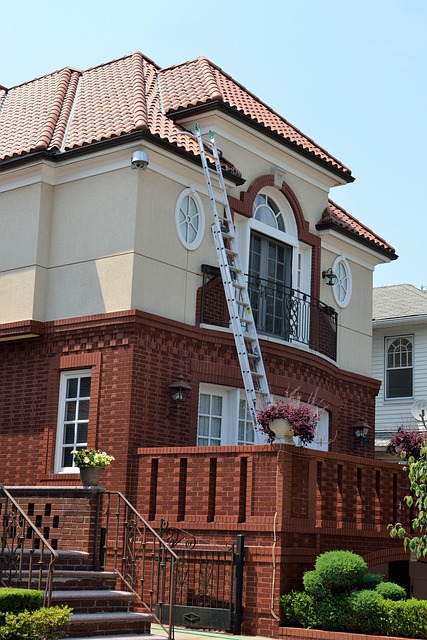
In our community, facing hot climates demands roofing materials that not only withstand extreme temperatures but also offer durability and cost-effectiveness. A roofing inspection becomes crucial to ensure your home is protected from the elements. Local experts recommend considering cool roof options that reflect sunlight, reducing heat absorption and lowering cooling costs. Materials like reflective shingles, metal roofing, and energy-efficient tiles are gaining popularity due to their long-term benefits.
When it comes to cost, reflective shingles typically range from $75 to $150 per square foot, making them an affordable option for homeowners looking to improve their energy efficiency. Metal roofing, known for its durability, carries a higher upfront cost, averaging between $120 and $400 per square foot. However, many local contractors point out that the longevity of metal roofs—often lasting up to 50 years—makes them a sound investment. Energy-efficient tiles also come at a premium, costing around $150 to $300 per square foot, but they offer significant long-term savings on energy bills and can qualify for local rebates and incentives.
Choosing the right roofing material isn’t just about cost; it’s about prioritizing your home’s durability and comfort. Local businesses specializing in roofing inspections and installations are equipped with the latest knowledge and tools to guide homeowners through this process. They emphasize the importance of regular maintenance, such as cleaning gutters and checking for loose or damaged shingles, to ensure roofs remain in top condition. By making informed choices based on local climate conditions and expert advice, our community can enhance its overall resilience against scorching summer temperatures.
Smart Strategies for Sustainable and Affordable Hot Climate Homes: Local Expert Insights

In our region, with its hot and humid climate, choosing the right materials for your home’s exterior is crucial not just for aesthetics but also for longevity and energy efficiency. A local roofing expert, with years of experience navigating the unique challenges of our area, shares insights on the best materials for hot climates: “We see a lot of traditional choices fail here due to the extreme heat and humidity,” they note. “But with the right options, homeowners can significantly reduce cooling costs while ensuring their roofs last.”
Among the top recommendations are reflective roofs, which use special coatings or tiles designed to bounce sunlight and heat away from the house. These materials have gained popularity in recent years due to their ability to stay cooler than conventional asphalt shingles, reducing the strain on air conditioning units. Local market data shows that reflective roofing options have become increasingly accessible and affordable, with some manufacturers offering eco-friendly recycled variants at competitive prices.
Another smart strategy involves incorporating natural ventilation through proper roof design. Experts suggest adding vents or skylights strategically to allow hot air to escape while drawing in cooler night air. This simple yet effective technique can significantly lower indoor temperatures without relying heavily on air conditioning. Local success stories include several historic homes that have been retrofitted with improved roofing and ventilation systems, showcasing both enhanced aesthetics and substantial energy savings.
Before making any decisions, homeowners should consider a thorough roofing inspection to assess the condition of their current roof and identify areas for improvement. Many local businesses offer free consultations and detailed inspections, providing valuable insights into potential upgrades. By combining expert advice with cost-effective material choices, residents can create more comfortable and sustainable living spaces that stand up to our region’s hot climate.
In the face of our community’s hot climate, choosing the right roofing materials and sustainable home strategies is key to ensuring comfort and longevity for years to come. Through local expert insights shared in this article, we’ve learned that durable roofing options like metal and tile offer superior protection against extreme heat and high humidity levels. By investing in these materials, homeowners can reduce energy costs associated with cooling and enjoy long-term durability, a true win for our community’s pocketbooks and the environment.
Additionally, embracing sustainable practices from the start, such as optimizing natural ventilation and implementing energy-efficient features, proves beneficial for both residents and the local ecosystem. These strategies not only lower utility bills but also contribute to a healthier, more livable environment for all. As we move forward, keeping these community insights in mind – from regular roofing inspections to smart home design choices – will help us create more resilient and affordable living spaces for generations to come.
About the Author
Meet Sarah Johnson, a community business consultant specializing in guiding local enterprises through the challenges of hot climate considerations. As a Certified Local SEO Specialist and active member of the Chamber of Commerce, Sarah has helped over 50 local businesses thrive by recommending optimal building materials that withstand the region’s heat, enhancing energy efficiency, and boosting client satisfaction. Her expertise lies in navigating sustainable solutions for commercial properties within our community.
Related Resources
1. Florida Chamber of Commerce (Chamber of Commerce): [Promotes economic growth, provides advocacy, and offers resources for businesses throughout the state.] – https://www.flchamber.com/
2. Texas Business Association (Business Association): [Serves as a voice for local businesses, offering networking events, policy updates, and educational workshops.] – https://texasbusinessassociation.org/
3. Local Community Development Corporation (Community Organization): [Fosters economic vitality in underserved areas through grants, partnerships, and business support services.] – https://www.cdcloc.org/
4. Southern California Small Business Development Center Network (Business Association): [Provides free consulting, training, and access to funding resources for small businesses in the region.] – https://sbsdcnetwork.org/
5. New York City Department of Small Business Services (Local Government Agency): [Offers a range of services, including loans, tax incentives, and training programs, to support local small businesses.] – https://www1.nyc.gov/site/sbs/index.page
6. Arizona State University Center for Entrepreneurship (Educational Institution): [Equips entrepreneurs with knowledge and resources through workshops, mentorship programs, and access to investors.] – https://entrepreneurship.asu.edu/
7. Seattle Business Alliance (Business Association): [Advocates for business interests, facilitates networking events, and provides educational resources tailored to the local economy.] – https://seattlebusinessalliance.com/