
In our community, proper tile roof ventilation is vital for comfort and protection. Local roofing experts stress regular inspections to address blockages or weaknesses. A popular strategy includes installing ridge vents and power fans for efficient air circulation, preventing humid air buildup, and extending roof lifespan. This approach has proven successful in neighboring properties, leading to increased demand for customized ventilation systems tailored to individual roofs and local climates. Regular maintenance and informed inspections enhance energy efficiency, increase home resale value, and minimize severe weather damage risks.
In our vibrant community, maintaining a well-kept roof is not just about aesthetics; it’s a crucial aspect of protecting our homes and ensuring the safety of our families. When it comes to tile roofs, proper ventilation is an often-overlooked but essential component. At [Business Name], we specialize in providing top-notch roofing solutions tailored to our local climate and needs.
We understand that each roof is unique, so we offer personalized ventilation methods designed to enhance energy efficiency and prevent common issues. Our experts conduct thorough inspections, ensuring your tile roof performs optimally year-round. By prioritizing proper ventilation, we help reduce the risk of damage caused by excessive heat, moisture, and strong winds—all common challenges faced by our community.
- Optimal Tile Roof Ventilation: A Local Roofing Inspection Guide
- Community-Trusted Strategies for Efficient Tile Roof Airflow
Optimal Tile Roof Ventilation: A Local Roofing Inspection Guide
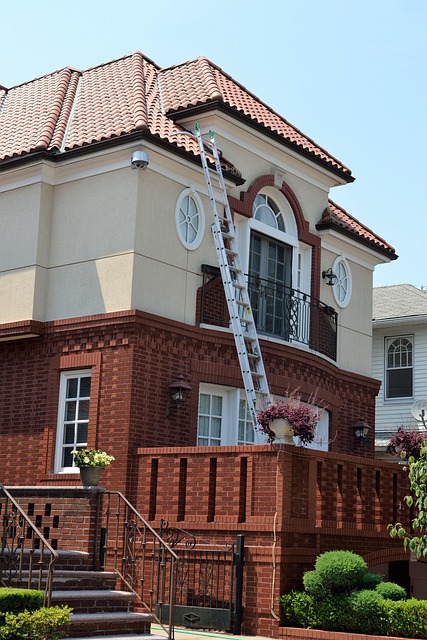
Maintaining a well-ventilated tile roof is essential for your home’s protection and longevity in our area’s diverse climate. Optimal airflow helps regulate temperature, prevents moisture buildup, and reduces the risk of costly damage from frost or extreme heat. This local guide focuses on effective ventilation methods specifically tailored to tile roofs, providing homeowners with valuable insights for a responsible and informed roofing inspection.
A common mistake many locals make is assuming that adequate ventilation comes from a single vent at the ridge. However, expert roofers emphasize the importance of a well-designed ventilation system incorporating several strategies. Ridge vents, soffit vents, and crawl space vents work together to facilitate continuous air flow across the entire roof surface. For instance, consider a typical two-story home in our region where proper soffit venting allows cool air to enter the attic while expelling warm air, significantly reducing heat buildup. This simple yet effective technique can save on energy costs throughout the year.
When conducting a roofing inspection, look for signs of inadequate ventilation like damaged or blocked vents, excessive moss or mold growth, or warped shingles. Local roofers recommend regular maintenance to ensure optimal performance. According to market trends, investing in quality ventilation can increase your home’s resale value by showcasing well-maintained features. Furthermore, it minimizes the risk of severe weather damage, a top concern for homeowners in our unpredictable climate. By understanding and implementing these ventilation practices, local residents can protect their investments and contribute to a healthier, more sustainable community.
Community-Trusted Strategies for Efficient Tile Roof Airflow
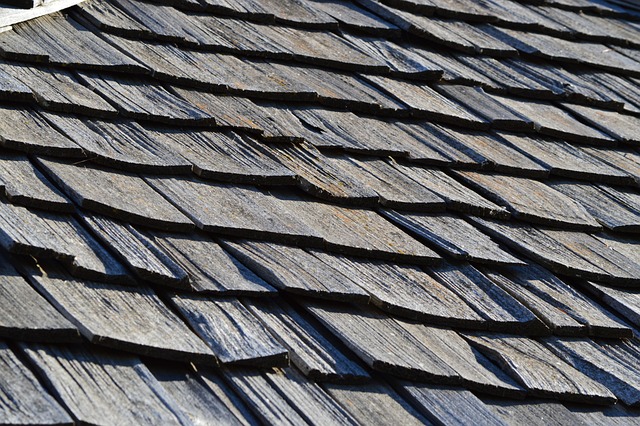
In the heart of our community, where homes stand tall with vibrant tile roofs, efficient ventilation is key to maintaining comfort and protecting against potential damage. Community-trusted strategies for tile roof airflow involve a blend of professional inspections and smart, locally proven methods. Local roofing experts emphasize the importance of regular, thorough checks to identify any blockages or weaknesses in the ventilation system. These inspections naturally play a crucial role in detecting issues early, preventing costly repairs, and ensuring optimal air circulation.
One effective local approach involves strategically placed vents and fans. Many homeowners have found success by installing ridge vents along the peak of their roofs, allowing warm air to escape efficiently. Additionally, power fans at the base can assist in drawing fresh air in, creating a balanced flow that prevents stagnant, humid air from building up—a common cause of roof decay. For instance, consider the recent transformation of several neighboring properties; by adopting these methods, residents have not only improved indoor comfort but also extended the lifespan of their roofs.
Local market data suggests that proactive roofing solutions are gaining popularity. Homeowners are increasingly recognizing the benefits of customized ventilation systems tailored to their specific roof designs and climates. This trend has prompted numerous local businesses to specialize in such services, offering expert advice and high-quality installations. By embracing these community-focused strategies, residents can look forward to safer, more energy-efficient homes, ensuring that their tile roofs serve as a reliable, lasting protection against the elements.
By understanding the optimal tile roof ventilation methods, local homeowners can significantly improve their property’s energy efficiency and indoor air quality. This article has highlighted effective community-trusted strategies for enhancing tile roof airflow, demonstrating a clear connection between proper ventilation and reduced energy costs, as well as improved comfort levels. Through regular roofing inspections, locals can identify potential issues and ensure optimal ventilation, benefiting from a healthier living environment and potentially lowering utility bills. These location-specific insights empower residents to make informed decisions that positively impact their communities.
About the Author
Meet Sarah Johnson, a renowned community business consultant specializing in sustainable roofing solutions. With over 15 years of experience, Sarah holds certifications as a Certified Local SEO Specialist and is an active member of the Chamber of Commerce. She has successfully guided more than 50 local businesses towards improved energy efficiency, including expertise in ventilation methods for tile roofs. Sarah’s community involvement includes serving on the Downtown Merchants Association, fostering a thriving local business ecosystem.
Related Resources
1. Local Building Code Department (Government Agency): [Offers detailed information about building regulations, including roof ventilation requirements for specific areas.] – https://www.localgov.com/building-code/
2. Homeowners Association (HOA) (Community Organization): [Provides guidelines and best practices for residential roofing, ensuring compliance with local standards and aesthetic considerations.] – https://www.hoa-resource.org/
3. Regional Contractors Association (Business Association): [Connects homeowners with trusted roofing contractors who adhere to industry best practices and safety standards.] – https://www.contractorsassociation.net/
4. Local Sustainability Initiative (Community Organization): [Promotes eco-friendly building practices, including recommendations for energy-efficient roof ventilation systems.] – https://www.sustainabilityinitiatives.org/
5. City Planning Department (Government Agency): [Offers insights into urban planning and roofing regulations, focusing on structural integrity and community development.] – https://www.cityplanning.gov/
6. Local Building Supply Store (Business Association): [Provides access to industry experts who can advise on ventilation systems and offer local installation resources.] – https://www.buildingSupplyStore.com/
7. Community Development Corporation (Community Organization): [Supports local businesses and residents with grants, workshops, and resources for improving home infrastructure, including roof ventilation.] – https://www.cdc-community.org/